
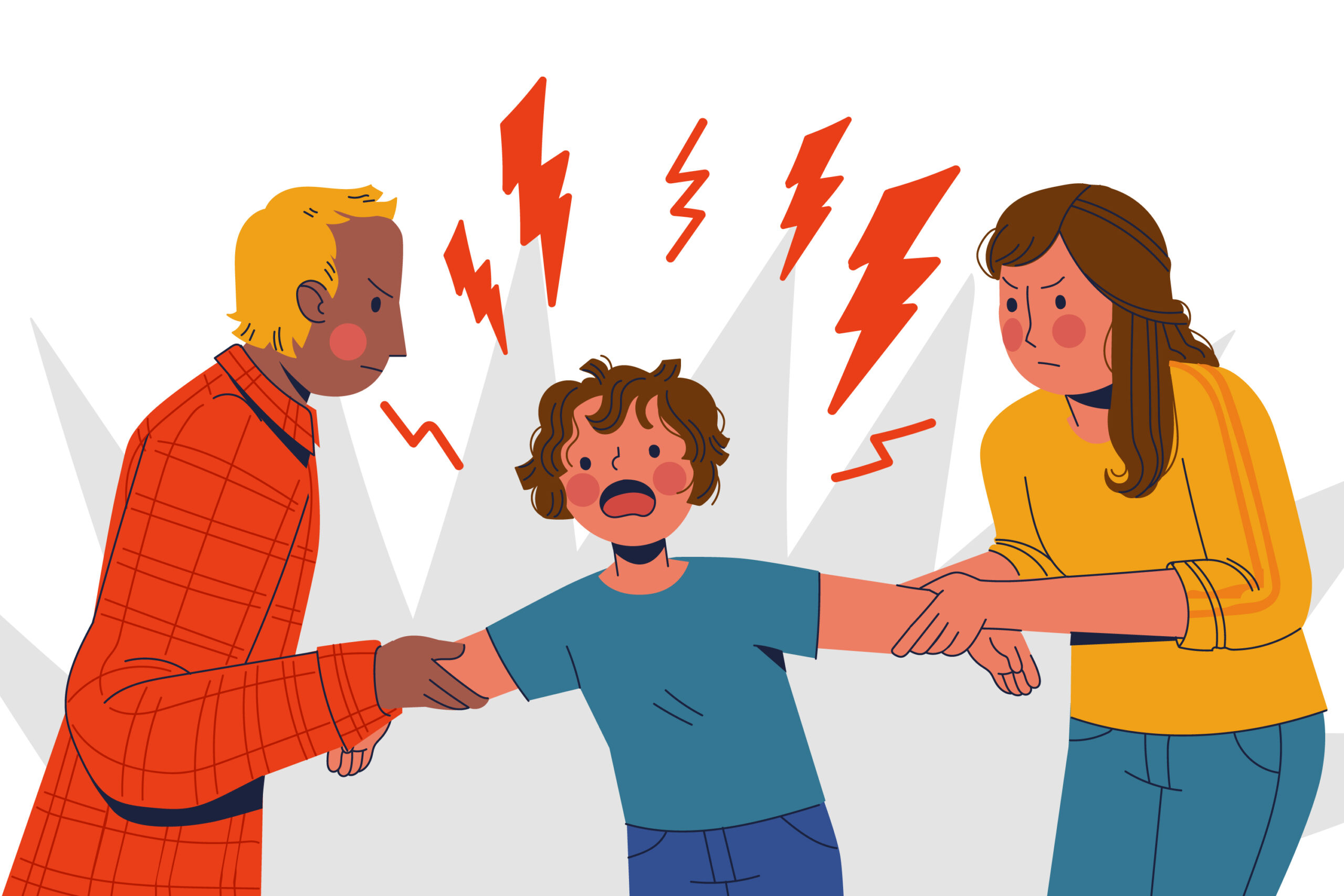
Visiting family during the festive season can be beautiful, but it can also be emotionally draining, especially when the environment is tense, overwhelming, or filled with people who trigger old wounds. If you feel anxious about going home, please know that you are not overreacting and you are not a bad person. Family can be loving, but family can also be complicated. Sometimes, the people who share your blood are the same people your mind needs to protect itself from.
As you prepare to visit, one of the most important things you can do is acknowledge your feelings honestly. Don’t force yourself to pretend you’re excited if you’re not. You don’t have to fake joy for an environment that has hurt you before. Tell yourself the truth: “This might be a lot for me. I need to take care of myself.” Emotional honesty is a form of self-protection.
Before you go, think about the quiet boundaries you need. You don’t have to announce them or argue about them. Just hold them gently within yourself. Maybe you decide you won’t stay too long. Maybe you choose not to engage in conversations that make you uncomfortable. Maybe you decide to stay in a hotel instead of sleeping over. Or maybe you tell yourself that the moment the environment becomes too heavy, you will step outside and breathe. These boundaries are not disrespect; they are acts of love toward your mind.
It also helps to limit the topics you are willing to discuss. Some families like to dive into things that poke at your insecurities, your relationship status, your weight, your job, how much you’re making, when you’re getting married, and when you’re having children. You are not obligated to answer questions that make you uncomfortable. You can gently say, “I’m not ready to talk about that,” or “Let’s talk about something lighter.” You don’t owe anyone explanations about your life.
If things become too overwhelming, take breaks. Step outside for fresh air. Go to another room and sit quietly for a moment. Take a walk around the compound. Even a few minutes of silence can help you reset your mind. You are allowed to take space for yourself, even in a family gathering. It doesn’t mean you’re rude.
One thing that can save you from disappointment is adjusting your expectations. If your family has always been critical, dismissive, or insensitive, they may not suddenly become gentle just because it’s December. Lowering your expectations isn’t negative; it’s protective. When you expect less, you’re not giving them the power to shock you again. Go in with a calm mindset and remind yourself, “If old behaviours show up, I will not take them personally.”
Try not to stay longer than your emotional capacity allows. You don’t have to spend the entire day. You don’t have to sleep over if you know it will drain you. Listen to your body. When your energy starts dropping, it’s okay to say, “I need to get going.” Leaving early does not make you selfish; it makes you responsible for your own peace.
Before you go, let someone you trust know where you’re heading. Tell them you may need a quick check-in. A simple message like “Please call me later” can give you emotional grounding. Knowing someone outside that environment understands your feelings can remind you that the world is bigger than this moment and that you still have people who make you feel seen.
Always remind yourself that the behaviour of your family is not a reflection of your worth. Many times, what people project onto you is a mirror of their own insecurities, unhealed wounds, or outdated beliefs. You are not the cause of their attitudes. You are simply the closest and safest person for them to pour their unresolved emotions into. Don’t hold blame that isn’t yours.
It also helps to have a quiet exit plan. Decide how long you want to stay, how you will leave, and how you will excuse yourself if things become too much. Knowing you have an escape route gives you emotional safety. You won’t feel trapped, and you won’t feel guilty for choosing yourself.
When you finally leave, do something gentle for your heart. Take a warm bath, play music you love, talk to a friend, journal your feelings, or simply sit in silence and breathe. Let your body relax again. Let your mind settle. Being around a draining family can take a lot out of you, even if nothing dramatic happens. And most importantly, if visiting family consistently leaves you feeling anxious, sad, overwhelmed, or emotionally unsafe, please consider speaking with a therapist. A professional can help you unpack your triggers, understand your emotional patterns, and guide you through healing from family dynamics that have shaped you. You don’t have to go through this alone. Reaching out for help isn’t a weakness; it’s courage, and it’s a powerful step toward protecting your mental health.